You may have paid Social Security taxes throughout your working years, so it is natural to wonder whether those benefits can be taxed again in retirement. The answer is that, for many people, some portion of Social Security benefits can be subject to federal income tax.
It is one of the most common questions pre-retirees and new retirees ask. The rules are not always intuitive, and misunderstanding them can lead to an unexpected tax bill that affects your retirement income plan.
That is why this guide is designed to help you understand when Social Security benefits may be taxable, how the calculation works, and what it can mean for your broader financial strategy.
The Key Concept: “Combined Income”
The IRS uses a specific formula to calculate your income for Social Security tax purposes. Your Social Security number (SSN) does not determine your taxability; rather, it’s about your total financial picture.
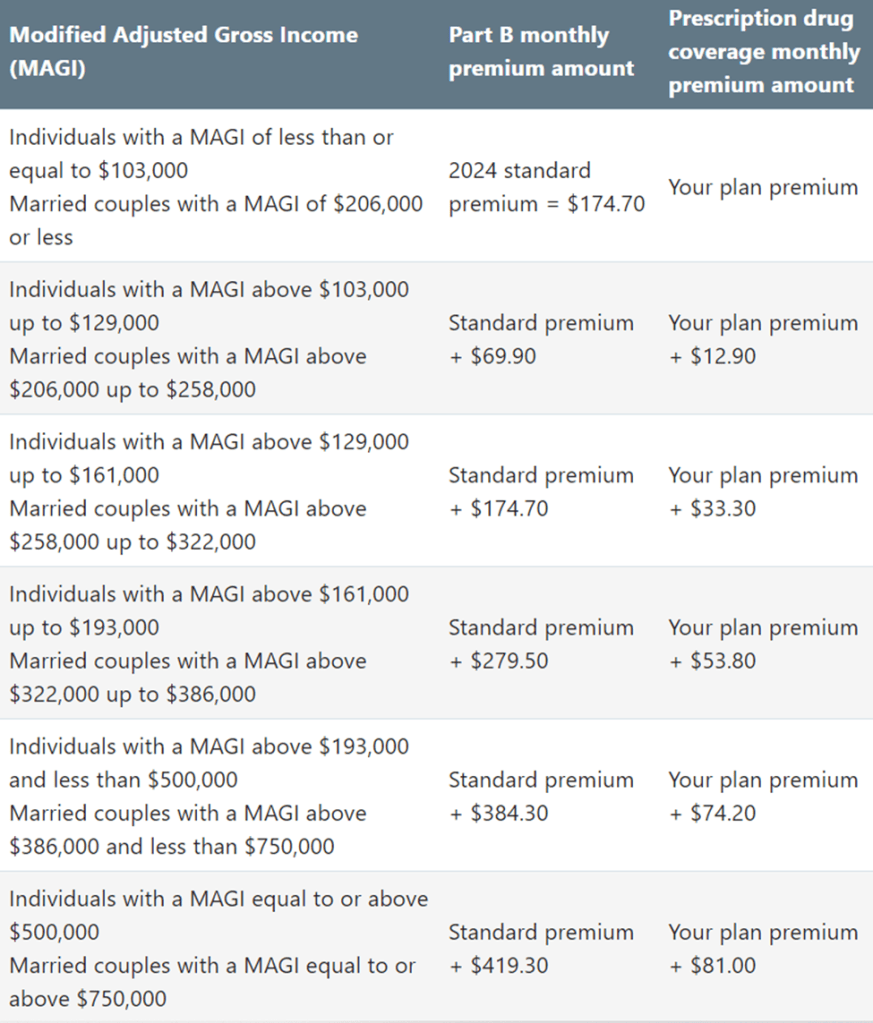
To understand if your benefits are taxable, you must first determine your Combined Income, also known as Modified Adjusted Gross Income (MAGI).
The Combined Income Formula:
Combined Income = Adjusted Gross Income (AGI) + Nontaxable Interest + 50% of Your Social Security Benefits
Think of it as adding all your taxable income (like wages, pensions, and capital gains) plus your tax-exempt interest income (e.g., from municipal bonds), and then adding exactly half of your total Social Security benefits.
Navigating Federal Income Brackets
Once you have your Combined Income, the IRS uses three income thresholds to calculate the percentage of your benefits that are taxable at the federal level. The limits are different for individuals and married couples filing jointly:
If You File as “Single,” “Head of Household,” or “Qualifying Widow(er)”:
- Under $25,000: 0% of your benefits are taxable. (Congratulations, you might get all your Social Security tax-free!)
- $25,000 to $34,000: Up to 50% of your benefits may be subject to tax.
- Over $34,000: Up to 85% of your benefits may be taxable.
If You File as “Married Filing Jointly”:
- Under $32,000: 0% of your benefits are taxable.
- $32,000 to $44,000: Up to 50% of your benefits may be subject to tax.
- Over $44,000: Up to 85% of your benefits may be taxable.
Note on “Up to”: The 50% and 85% are maximums. The calculation is dynamic. For illustrative examples of precise tax situations, you would need to run detailed scenarios, but these brackets give you the essential ranges.
Don’t Forget About State Taxes
While federal rules apply across the entire country, state-level rules vary significantly.
- Across the United States: The vast majority of states (42 states plus Washington, D.C.) exempt Social Security benefits from state income taxes entirely. However, a small handful of states—including Colorado, Connecticut, Minnesota, Montana, New Mexico, Rhode Island, Utah, and Vermont—still tax a portion of Social Security income based on state-specific thresholds.
If you are considering moving or splitting time between states in retirement, factoring state-level taxation into your plan is just as vital as federal planning.
What This Means for Your Financial Strategy
Understanding these rules is about more than just a tax form. It affects everything from your monthly cash flow to your overall retirement strategy.
1. Unexpected Taxes
A larger-than-expected tax bill can reduce the cash flow you thought you had available for spending.
2. Withdrawal Strategy
Where you draw income from matters. Pulling too much from taxable accounts or traditional retirement accounts can increase your provisional income and make more of your Social Security benefits taxable.
3. RMDs
Required minimum distributions can create a ripple effect. If RMDs raise your income enough, they can increase the taxable portion of your Social Security benefits as well.
4. Coordination Matters
Planning withdrawals from Traditional IRAs, Roth IRAs, brokerage accounts, and other sources together can help create a more tax-efficient retirement plan.
Taking the Next Step
These rules are manageable once you understand the framework, but they can still be complicated when you apply them to your own numbers. Your situation may also change over time as income, investment returns, tax law, and retirement needs change.
If you are making retirement income decisions, it is wise to consult a qualified financial professional or tax professional. They can help you run scenarios using your actual figures and build a withdrawal strategy that fits your goals.
The bottom line: Social Security benefits are not always tax-free in retirement, and the amount subject to tax depends on your overall income picture. With the right planning, you can better understand the rules and make smarter decisions about your retirement cash flow.
Please comment or send an email if you have any questions.
Joe Baker, CFP®
Baker Asset Management, LLC
joebaker@bakerassetmanagement.com