For generations, the ultimate retirement milestone was the “mortgage-burning party”—that moment you paid off your final home loan statement and officially owned your piece of property free and clear.
Entering retirement completely debt-free sounds like a no-brainer. But as with most things in financial planning, the actual answer to “Should I pay off my mortgage before I retire?” isn’t always a simple yes or no.
While eliminating a monthly mortgage payment provides undeniable psychological comfort, writing a massive check to clear your home loan can sometimes work against your overall financial flexibility.
If you’re approaching retirement and weighing this decision, here are the core trade-offs to consider before making a move.
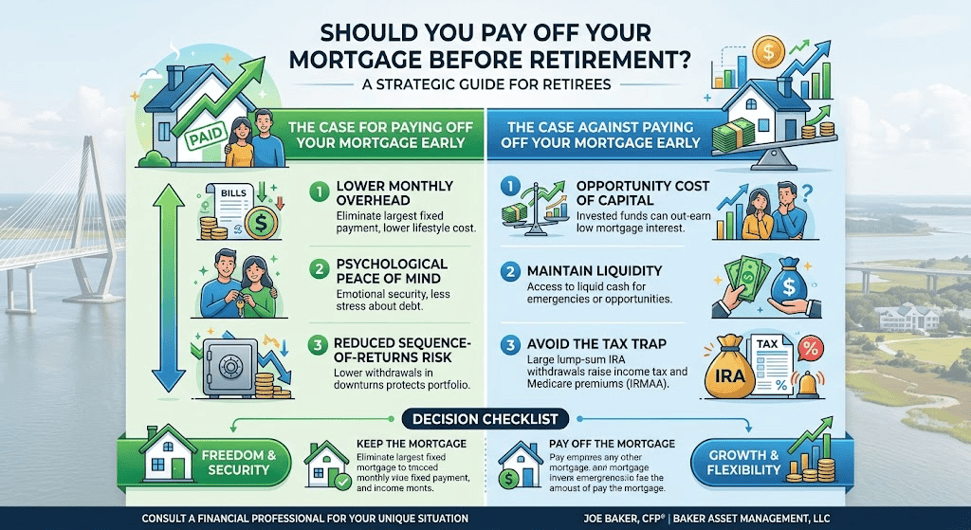
The Case FOR Paying Off Your Mortgage
1. Lower Monthly Overhead
Your mortgage is likely your single largest recurring monthly expense. Eliminating principal and interest payments drastically lowers the baseline income you need each month to maintain your lifestyle. Lower required income means smaller withdrawals from your portfolio.
2. Protection Against “Sequence-of-Returns” Risk
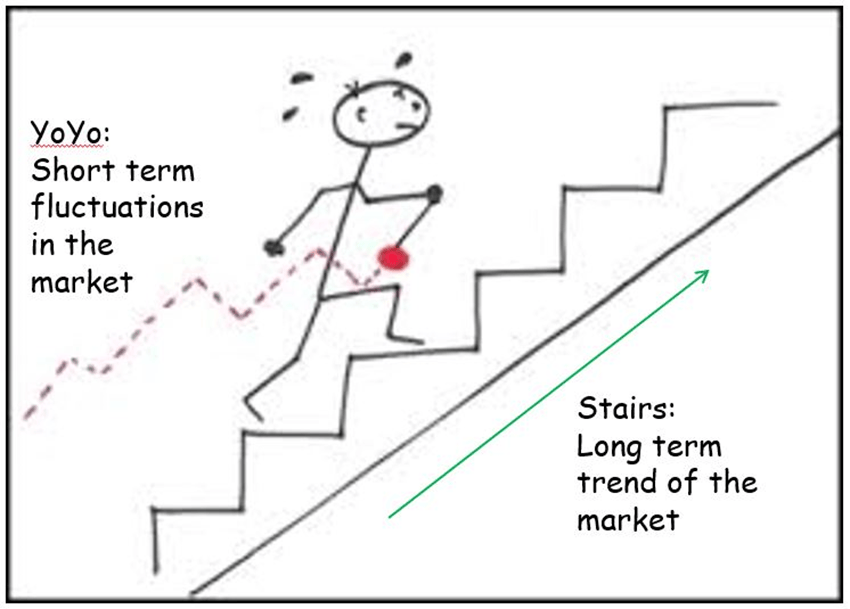
One of the biggest risks in early retirement is a major market downturn right after you stop working. If the market drops and you still have high fixed expenses (like a mortgage), you are forced to sell depreciated investments to pay your bills. By eliminating the mortgage, you lower your mandatory distributions, allowing your investment accounts more room to recover during lean market years.
3. Unbeatable Peace of Mind
The emotional benefit of owning your home outright cannot be overstated. For many retirees, knowing that their housing is secure—regardless of what happens to the stock market or the economy—is worth more than any theoretical mathematical gain.
The Case AGAINST Paying Off Your Mortgage
1. The Opportunity Cost of Capital
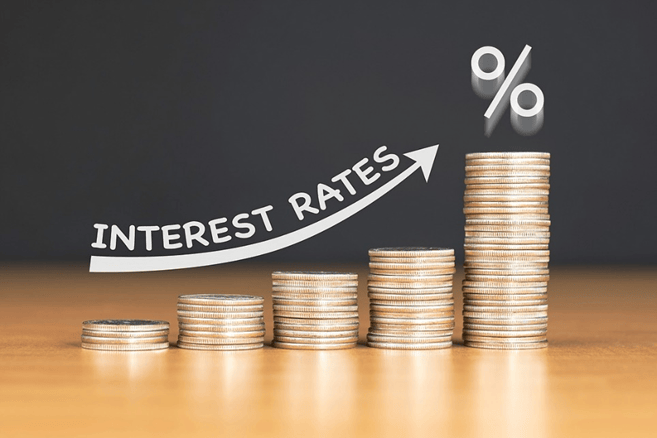
If you secured a low fixed mortgage rate in past years, the math may favor keeping the loan. If your mortgage rate is sitting at 3% or 4%, but your diversified investment portfolio or high-yield cash vehicles are earning a higher return, your money may work harder for you staying invested rather than locked up in home equity.
2. Illiquidity: You Can’t Eat Real Estate
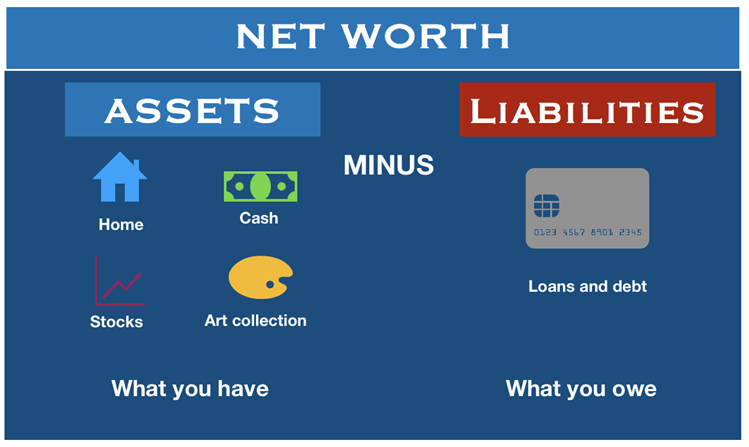
Home equity is illiquid wealth. Money used to pay down a mortgage is tied up in bricks and mortar. If an unexpected medical emergency, home repair, or family need arises, accessing that home equity quickly isn’t easy—especially once you no longer have a earned income to qualify for a traditional home equity loan. Having liquid cash or accessible taxable investments provides a safety cushion that a paid-off house cannot.
3. The Tax Trap of Large Lump-Sum Withdrawals
If you don’t have enough liquid cash sitting in a bank account and need to withdraw funds from a Traditional IRA or 401(k) to pay off the mortgage balance, be extremely careful. That withdrawal counts as ordinary income. A single large distribution can instantly push you into a significantly higher tax bracket, trigger higher Medicare premium surcharges (IRMAA), and create a hefty tax bill that wipes out any savings on mortgage interest.
A Quick Checklist: Which Side Are You On?
It may make sense to KEEP your mortgage if:
- You hold a very low fixed interest rate.
- Paying it off would drain your liquid emergency reserves.
- Clearing the balance requires pulling a large lump sum out of a taxable retirement account.
It may make sense to PAY OFF your mortgage if:
- You have excess idle cash sitting in low-interest savings accounts that can cover the balance without tax consequences.
- Carrying debt causes you significant stress or anxiety.
- Eliminating the payment is essential for your retirement cash flow to balance out.
The Bottom Line
There is no one-size-fits-all answer. The choice between mathematical optimization and emotional peace of mind comes down to your personal risk tolerance, tax profile, and retirement cash flow goals.
Before making a large lump-sum payment on your mortgage, it’s always wise to run the numbers to see how it impacts your long-term retirement projections and tax liability.
Please comment or send an email if you have any questions.
Joe Baker, CFP®
Baker Asset Management, LLC
joebaker@bakerassetmanagement.com