Fun Facts about August
- Birthstone: Peridot, spinel, or sardonyx
- Flower: Gladiolus or Poppy
- Zodiac signs: Leo and Virgo
- August was named after the first emperor of Rome, Augustus. The month was previously called Sextilis (Latin for sixth). It became the eight month after January and February were added to the calendar.
- August is the last of the summer months in the Northern Hemisphere. Its Southern Hemisphere equivalent is February.
- Many cultures refer to August as the harvest month.
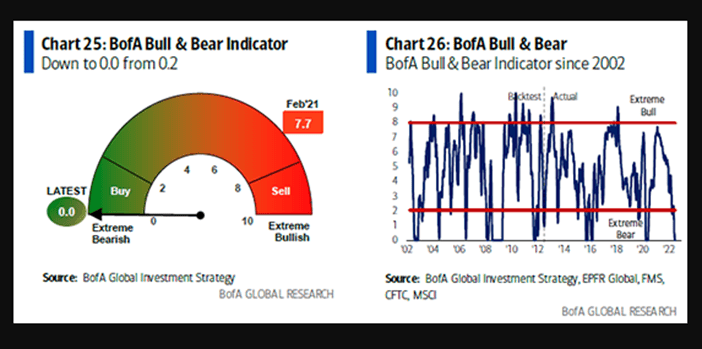
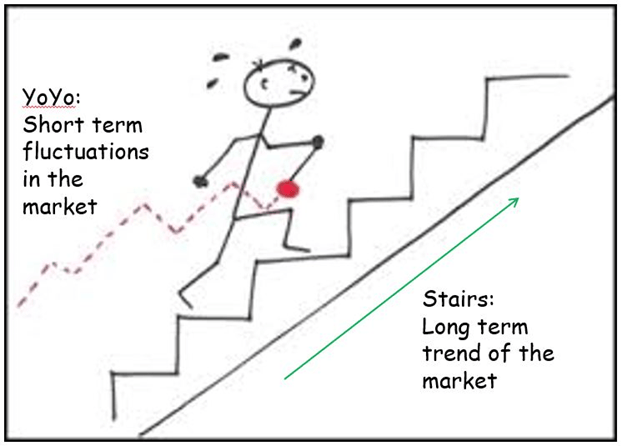
Stocks had their best month in July since 2020 with increases across all major stock indices. Catalysts for the rise include decent corporate earnings and signs of inflation easing. I think another big factor is the heavy negative investor sentiment. Investors are fearful and this usually is a good indicator of a market bottom. In other words, it is a good time to be buying stocks. That is, be greedy when others are fearful.
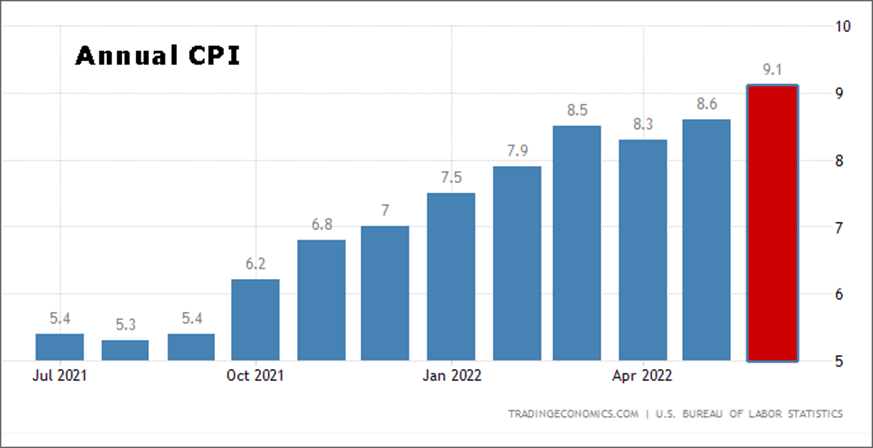
For the month of July, the S&P 500 popped up 9.2%. For the year, it is still down over 13%. Hopefully, this is the start of a nice comeback for 2022. We’re in the midst of the dog days of summer and the markets are typically very quiet until after Labor Day. Company outlooks are encouraging for the most part as Q2 earnings continue to come out. The conflict in Ukraine is still hurting the markets, particularly in Europe since Russia is pretty much their gas station. Here in the U.S., consumer prices have come down some to the relief of all of us. The stronger dollar is hurting our companies selling goods abroad but is making our imports cheaper. It’s also making a vacation to Europe or pretty much anywhere outside of the country a little bit easier on the wallet!
Take a look at the Outlook section below to see what events could move the markets over the short term.
Bond prices reversed course once again and headed up in July. The flip-flopping in bond prices is partially due to the uncertainty of the Federal Reserve’s response to inflation. We do have a somewhat clearer picture on their stance now (less aggressive in raising rates) that their July meeting is in the rearview window. Also, they don’t meet again until September so we will get a little reprieve while we wait for them to meet again.
The 10-year US Treasury note stayed below the 3% level, ending in July at 2.66%. The 30-year bond is at 3.02%, ending the month lower as well. Rates are staying low because investors are flocking to the safe haven of government bonds as recession fears continue to spook the stock market.
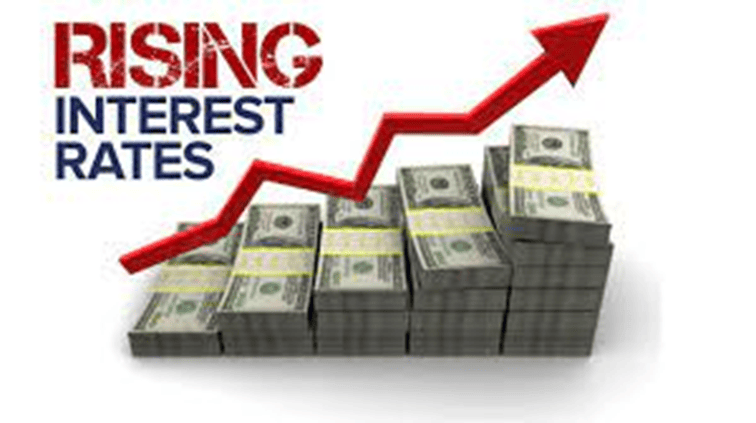
Savings rates moved higher for the ninth consecutive month. Once again, this is really good news for savers and risk-averse investors. Of course, these rates are still no match for the current inflation rates but at least we’re seeing some improvement. These increased saving rates are great, but we are probably going to see them start to level off towards the end of the year, especially if the Federal Reserve moves to a wait-and-see approach on raising interest rates.
Currently, the average savings account is paying 0.62%, up from 0.51% last month. We actually might make enough interest on our savings accounts this year that the bank will have to send a 1099-INT. These forms are only required to be sent out if you make more than $10 of interest annually.
The 1-year CD interest rate is now averaging 1.94%, up from 1.69% last month. The 5-year CD rate is solidly above 2% still and now sits at 2.52%, up from 2.38% last month. That said, I would rather buy some blue-chip stocks that pay 3% or 4% dividends, but at least now, CDs are getting a little more attractive for conservative investors.
Mortgage rates stumbled in July as demand waned for new mortgages as rates turned higher. Currently, the 30-year rate sits at 5.57%, down from 5.83% a month ago. Home sellers are slashing their offering prices and builders are seeing an increase in cancellations from new home buyers. As I said last month, this should come as no surprise due to the big increase in mortgage rates. We are just returning to a more normal housing market. Normal means a house is on the market for 1-3 months before selling and gets maybe a handful of offers, most of which are below the asking price. People are comparing 2022 to the 2008 financial crisis and that is just ridiculous. I might agree if homeowners start leaving their keys in the mailbox and walk away from their homes like they were back in ’08. Back to mortgage rates, they most likely have already peaked for the year and will level off even drop a bit more as demand continues to fall for new mortgages.
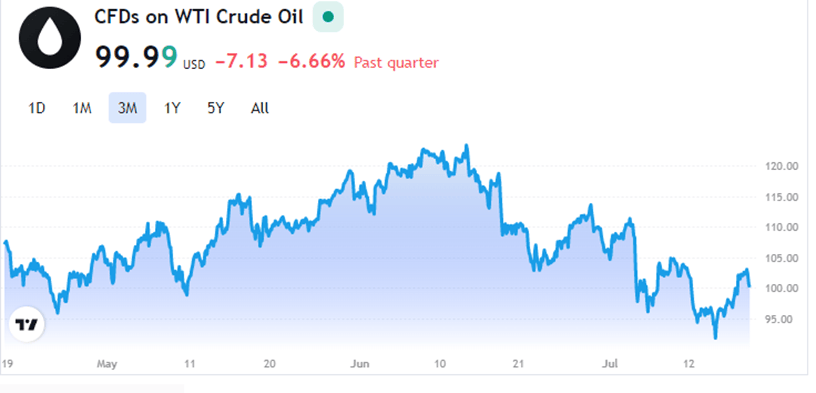
Oil prices continued to drop in July as businesses and consumers continued to adjust their spending and travel habits to combat inflation. The price for a barrel of oil settled just above $98 for July, $8 less than it was at the beginning of the month. For the year, oil is still up over 27%.
The drop in oil prices could continue as demand slows down from the effects of inflation. Any hurricane activity over the next couple of months or more shenanigans from Russia could negate the demand slowdown so expect prices to continue to be volatile.
Gasoline prices took a nosedive in July (thank you!). Regular unleaded gasoline is now averaging $4.26 per gallon, down $0.55 from last month. Texas now has the cheapest gas, at $3.76 a gallon. California has the most expensive at $5.64 per gallon, although Hawaii is not far behind at $5.48. FYI, a year ago, we were paying $3.17.
Check out the prices at the pump in your area: AAA Gas Prices.
Outlook
Events on the horizon that could move the markets in the near term:
- Russia Invasion of Ukraine: Russia continues to push through Ukraine, albeit at a snail’s pace and at great cost to Russia, both financially and in lives lost. The sanctions against Russia are also taking a huge toll on the country and its citizens but Putin is just too stubborn to admit their invasion failed miserably. I’m sure that he will press on using his leverage as the main energy supplier to Europe to prevent any more sanctions from being imposed. Some good news did come out this past month: Russia and Ukraine struck an agreement to allow exports of their wheat crop to the world. This is big because Russia is the world’s largest exporter of wheat and Ukraine is the fifth largest.
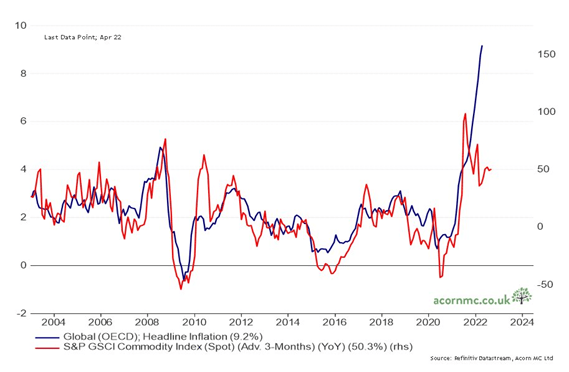
- Supply Chain Status: Shipping costs have been coming down recently for a couple of reasons: consumer demand has slowed due to higher prices, fuel costs have dropped significantly, and covid restrictions have been lifted in China’s ports. But now, we’re heading into the start of peak shipping season in August, and we have some new problems that are causing freight rates to reverse course and head higher: strikes by truckers and port workers have caused congestion at shipping nodes throughout the supply chain. Any delays in the supply chain usually means higher freight rates. Sustained higher freight rates ultimately means higher prices for the consumer, aka inflation. I don’t like it because then the Fed is going to be pressured to keep raising rates (see Fed & Inflation below). Hopefully, we can work through these supply chain kinks once again and keep the boxes moving.
- Fed & Inflation: The Fed raised short-term interest rates another 75 basis points for the second meeting in a row. This pushed the prime rate to 5.50%, which is the basis for many consumer loans (mortgages, credit cards, autos). They did say at their meeting last week that their plan of tightening money supply is working to ease inflation, as can be seen in the drop in most raw material and energy prices. The markets took this as a sign that the Fed will ease up on the rate increases which should help stock prices at least until the next Fed meeting in September.
Joe Baker, CFP®
Baker Asset Management, LLC
joebaker@bakerassetmanagement.com