
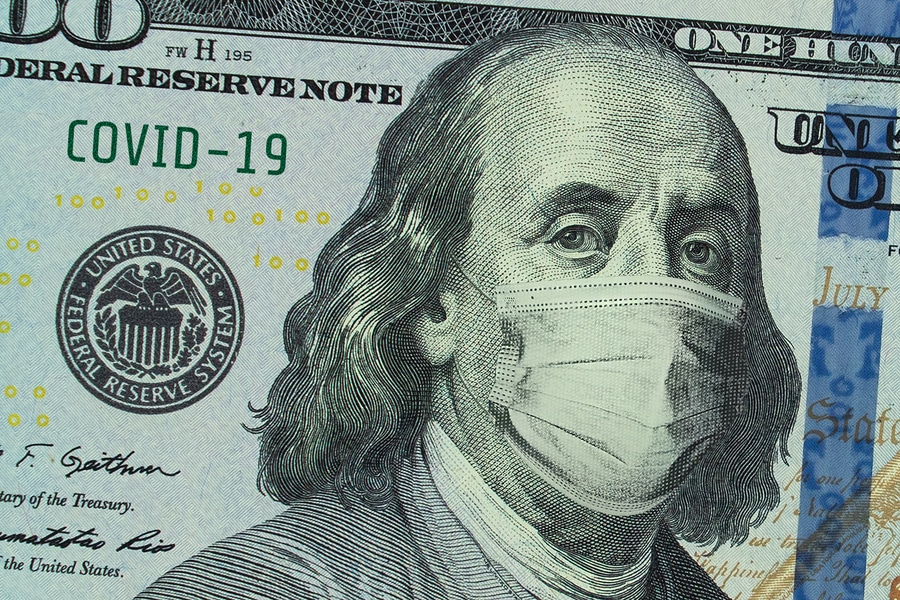
If you were one of the many millions of people in the U.S. that were financially affected by the Covid pandemic in 2020, then you had the option of withdrawing money from your IRA, 401k, or other retirement plan, without penalty, to help with that. However, if you did take advantage of this opportunity, you still have to pay taxes on that money.
The Coronavirus Aid, Relief, and Economic Security (CARES) Act that was passed in 2020 allowed you to withdraw up to $100,000 from your retirement plan(s). It also allowed you to spread that distribution over 3 years to minimize the tax consequences. So, for instance, if you withdrew $75,000 from your IRA in 2020, you could spread that “income” over 3 years (2020, 20221, and 2022) to minimize the tax consequences. Also, it does not need to be spread evenly over those 3 years, either. You can wait until you file your 2022 taxes before claiming that distribution as income if you want.
If you want to minimize your taxes, you have to figure out if your income is going to be much different in any of those 3 years. For example, if you think 2020 will be your lowest income year, then you should claim the biggest chunk of your distribution in 2020, without bumping you into the next tax bracket.
If you don’t want to pay any taxes, all you have to do is pay back into your IRA the amount that you withdrew before you file your taxes in 2022. You can pay it back little by little or all at once.
You should definitely consult with a tax expert to help you figure out your plan of action.
Please let me know if you have any questions.
Joe Baker, CFP®
Baker Asset Management, LLC
joebaker@bakerassetmanagement.com

