
As we approach tax season, I thought this would be a good time to go over some of the guidelines for what to do with all of your financial records, like bank statements, cancelled checks, 401 k and brokerage statements, etc.
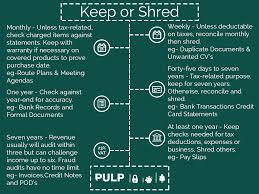
I like to categorize my documents into 4 categories based on how long you should hold onto them: Less than 1 year, At least 1 year, At least 7 years, and Keep forever.
Here’s a list of the most common items but you can always search online for more comprehensive lists:
Keep for less than a year
- ATM receipts
- Cancelled checks
- Credit card receipts
Keep these until you reconcile them with your monthly statements. Retain any receipts or checks that you may need for filing taxes, otherwise, shred. You can delete electronic versions as well or just archive them.
Keep at least 1 year
- Loan documents, until loan is paid off.
- Car title, until you sell the vehicle.
- Trade confirmations for taxable brokerage accounts, until you receive your 1099-B in January of the next year.
- Bank, brokerage, retirement plan statements for 3 years. All of these statements are held at their respective institution, so as long as you have access to them online, you can toss after 1 year. The same goes for trade confirmations. But make sure if you transfer your account(s), that you download them first. This will make your life mush easier if you need those old statements.
Keep at least 7 years
- All state and federal tax documents. The IRS has up to 3 years to audit your tax returns. However, if you omitted more than 25% of your income, they can go back 6 years.
Keep forever
- Birth certificates
- Death certificates
- Social security cards
- Marriage licenses
- Estate planning documents, such as wills, trusts
- Life insurance policies
- Inventory of safe deposit box
You should set aside a day in February or March of every year to go through these documents and replace, update, and purge as needed. I suggest these months because you definitely want to wait until you get in all of your previous year’s tax forms and year-end statements before going through your files. Let me know if you have any questions.
.Joe Baker, CFP®
Baker Asset Management, LLC
joebaker@bakerassetmanagement.com

