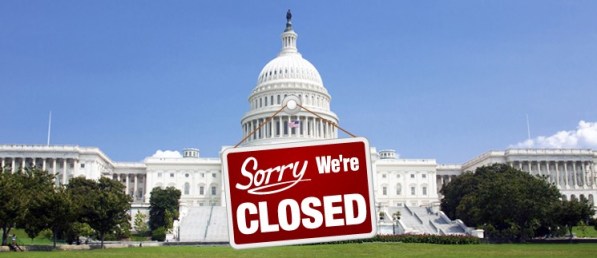
The government shut down this past Friday night after the Senate failed to pass a budget bill to continue funding government operations. The federal government has ceased all but essential services until Senate Democrats and Republicans can strike a compromise and pass a bill. They better not be considered essential personnel!
Here’s a quick synopsis of what this means for you and me:
- Non-essential government employees are furloughed, meaning they are told to not report to work. These employees include the Internal Revenue Service and Centers for Disease Control and Prevention among many others.
- Mail will still be delivered, and airports will operate as normal. The military will not shut down—it is considered an essential function, so all active duty members will work as usual.
- Medicaid and Medicare will continue to insure senior, low-income and disabled people during the shutdown. The Children’s Health Insurance Program (CHIP), a central issue in the current spending bill, will still be funded, though some states will run out of money by the end of the month unless an agreement is made on how to continue it.
The last time the government shut down was in October 2013, when Congress was embroiled in a debate over funding Obamacare. The 16-day shutdown cost an estimated $24 billion in economic output, and left around 800,000 “non-essential” federal employees furloughed. The national parks system lost about 700,000 visitors per day, and NASA ceased operations.
If this happens again, I think stocks will take a dip, which is long overdue anyway. Then, once they come to an agreement and everyone comes back to work, the markets will recover. So, if you’re worried about the shutdown hurting your investments, don’t. Unless you need that money in the next couple of months, it will be easier for you to stay invested than selling and trying to time the market to get back in.
Please let me know if you have any questions.
Joe Baker, CFP®
Baker Asset Management, LLC
joebaker@bakerassetmanagement.com

