
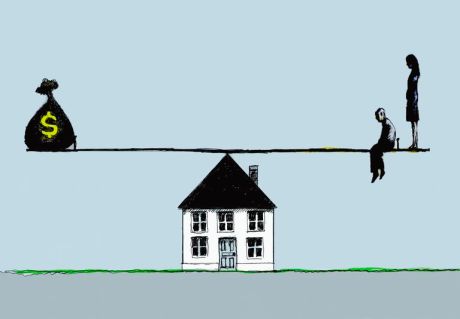
This question pops up quite a bit when discussing retirement with clients.
Many would rather not have major debt hanging over their heads when they no longer have money coming in from work to pay the monthly mortgage nut. Paying off their mortgage before retiring would give them the peace of mind that comes with being debt-free in retirement. But does it make sense for them financially?
Whether it makes sense to pay off your mortgage before you retire really depends on your individual situation.
Here are some factors to consider when making this decision:
Reasons to retire your mortgage:
- Limited or reduced income stream in retirement: Your monthly mortgage payment may represent a significant chunk of your income. Eliminating this payment can greatly reduce the amount of cash you need to meet monthly expenses.
- Savings on interest: Depending on the length of your mortgage term and the size of your debt, you may pay thousands or tens of thousands of dollars in interest. Paying off your mortgage early frees up that future money for other uses. (While you would lose the mortgage interest tax deduction, the after-tax savings on the cost of the debt can still be substantial. Besides, as you get closer to paying off your loan, more of each monthly payment goes to principal and less to interest, so the amount you can deduct in taxes decreases.)
- A predictable return: While there’s a potential upside to keeping the loan and investing your money elsewhere, market fluctuations could curtail the gains on your investments, or even reduce their value.
- Peace of mind: For folks who feel it’s important to be debt-free, they know that numbers aren’t everything. If you do decide to pay off your mortgage before you retire, you should take money from taxable accounts first or a Roth IRA account. Taxes on this money should be minimal (no tax when withdrawing from a Roth), versus withdrawing from a retirement account, where withdrawals are taxed at ordinary income rates.
Reasons to keep your mortgage:
- Not-so-full nest egg: If you haven’t contributed the maximum amount to your 401(k), IRA or other retirement accounts, you should put money here first instead of into the equity of your home.
- Higher-interest debt: You should consider using extra cash to pay off other kinds of debt that carry higher interest rates, especially non-deductible debt, such as credit card balances, before you pay down the mortgage.
- Lower cash reserves: The money you use to pay off your mortgage could significantly reduce the amount of cash you have available for general expenses, discretionary spending and emergencies. Before retiring your mortgage, make sure you have enough cash to cover your needs, minus income you’ll receive from other sources such as Social Security or pensions. You don’t want to end up being house-rich and cash-poor.
- Diversifying your investments: One of the best ways to try to increase opportunities for growth at a reasonable level of acceptable risk is to hold a variety of investments in different asset classes. Tying up a large chunk of your net worth in your home equity limits that possibility. Even if your house appreciates in value, you would have to either sell or refinance it to tap into that equity.
- A possible move: If you contemplate moving in the next few years, you might as well carry the existing mortgage until then.
The bottom line is that everyone’s situation is different so do the math to make sure that it makes sense financially to pay off your mortgage but also consider the intangibles, such as peace of mind, when making your final decision.
Joe Baker, CFP
Baker Asset Management, LLC
joebaker@bakerassetmanagement.com

