BAM Blog

Required Minimum Distribution Basics

Everyone that reaches the age of 72 who has a retirement plan or an IRA will have to begin taking distributions from those accounts to avoid being penalized by the IRS. The general rule is that you have to take a required minimum distribution (RMD) by April 1st of the year following the year that you turn 72. Just a quick note: there are no RMDs for Roth IRAs.

These distributions are calculated by using the account value at the end of the last year and dividing it by the factor assigned to your age in the current year in the tables provided by the IRS in Publication 590-B Distributions from Individual Retirement Arrangements (IRAs). The table that almost everyone will use while they are living is found in this publication under Appendix B. Uniform Lifetime Table (Table III). Here is a link to that publication for reference: https://www.irs.gov/publications/p590b#en_US_2020_publink1000231236.

If you have more than one IRA and/or retirement plan, such as a 401k, you have to calculate the RMD for each account, but you can take the total RMD from just one account or any combination of accounts. Also, you can take these distributions periodically over the course of the year or as a lump sum.

These distributions are taxed as ordinary income (except for any after-tax contributions, which are uncommon). If you fail to take out the RMD amount, you will get hit with a 50% penalty and taxes on any shortfall between what you took out and the RMD amount.

If the owner of an IRA passes away, the beneficiary becomes the owner of what is known as an inherited IRA. I’ll talk about inherited IRAs in a separate post to avoid any confusion.

There is one notable way to postpone taking your RMDs and it applies to company-sponsored retirement plans, such as a 401k. If you are still working for a company and have a 401k with them, you can delay your RMDs until you leave that company. If you have other retirement accounts, you could roll them into that active 401k to avoid RMDs for those accounts as well, as long as your company’s plan allows rollovers.

Please let me know if you have any questions.

Joe Baker, CFP®

Baker Asset Management, LLC

joebaker@bakerassetmanagement.com

Paycheck Checkup

If you find yourself with a few minutes of free time during these dog days of summer, you should take a look at your pay stub to make sure your deductions and withholdings are up to date and squared away.

I think the following pay stub items should be checked at least annually:

  • Federal and state status and exemptions – You set these when you complete form W-4 for your employer. These determine how much tax your employer withholds from your pay. You probably should adjust these if your tax returns show a large refund or that you owe a large amount. You can make these changes online with your employer or turn in a revised W-4 to HR.
  • Deductions – Check that the correct amount is being taken out for your retirement plans and group insurance plans. I have seen too many times where an employee changes their 401k contribution, but it never gets changed in the system. Again, these can typically be changed online on your benefits’ website.
  • Employer Contributions – Make sure your employer is contributing where they are supposed to. Employer matching for retirement plans and insurance premiums are two of the most common employer contributions that you should verify are correct.

The IRS even has a page on their site that you can use to help you figure out what your withholdings (marital status and exemptions on your W-4) should be based on your current pay stub and previous year’s tax filings. Here’s the link: https://www.irs.gov/paycheck-checkup

The IRS say that the following circumstances warrant a check of your withholdings:

  • Are a two-income family
  • Have two or more jobs at the same time
  • Work a seasonal job or only work part of the year
  • Claim credits like the child tax credit
  • Have dependents age 17 or older
  • Itemized deductions on their returns
  • Have high income or a complex tax return
  • Had a large tax refund or tax bill this past year

Now is a good time to review these items because if there are mistakes, there is enough time left in the year to rectify the situation. Also, if you wait until the end of the year, it will be much harder to find the time during the holiday season.

Please let me know if you have any questions.

Joe Baker, CFP®

Baker Asset Management, LLC

joebaker@bakerassetmanagement.com

Monthly Update – August 2021

Fun Facts about August

  • Birthstone: Agate or onyx
  • Flower: Gladiolus or Poppy
  • Zodiac signs: Leo and Virgo
  • August was named after the first emperor of Rome, Augustus. The month was previously called Sextilis (Latin for sixth). It became the eight month after January and February were added to the calendar.
  • August is the last of the summer months in the Northern Hemisphere. Its Southern Hemisphere equivalent is February.
  • Many cultures refer to August as the harvest month.

Stocks moved higher for a sixth month in a row. The S&P 500 moved up a little over 2.4% and is now up an impressive 17% for the year. The economy continues to expand as the world fights back against covid-19. Supply chains, while still having issues, are slowly getting up to speed to meet the pent-up demand. The pandemic is back on the front page as cases and hospitalizations are rising at a pretty good clip, with almost all attributed to the unvaccinated. This is already causing many areas to revert back to more restrictive pandemic policies and could be a pretty big speed bump for our recovering economy.

We are entering the dog days of summer, which is typically a very quiet time for stocks. However, the infrastructure bill is in play the first week of August and could cause some volatility.

Take a look at the Outlook section below to see what events could move the markets over the short term.

Bond prices moved confidently higher in July as the Federal Reserve eased investors’ fears of rising inflation. This price move is going against what most investors, including myself, expect as the economy heats up. The Fed has its members out there pushing that inflation is temporary and that they have the situation under control. Investors seem to be listening based on the current upward trend in bond prices. I continue to believe that bond prices will be lower at the end of the year versus today due to the economy returning to a more normal state. Although, I am becoming more skeptical now because I didn’t expect so many people wouldn’t get vaccinated.

The 10-year US Treasury note is now yielding 1.23% and the 30-year bond is at 1.91%, both noticeably lower from last month. These rates have taken a pause in going up in the last three months but it’s a good bet that they’ll resume their upward trajectory shortly. However, if the current inflation that we are seeing goes away, these rates may be stuck down here for a while.

Interest rates moved a bit higher on the long end of the curve but were mostly flat once again in July. CD, money market, and savings account rates are still historically low. These rates should move higher over the rest of the year, but the savings rates will most likely still be too low to keep up with inflation.

Currently, the average savings account is paying 0.27%, exactly the same as last 2 months. Although safe from market fluctuations, putting all your eggs in a savings account is not the best bet, especially if you need to grow your account value. Plus, you have to pay taxes on that interest.

The 1-year CD interest rate is now averaging 0.51%, the same as last 2 months as well. The 5-year CD rate inched higher finally, all the way up to 0.72%, from 0.69%. It’s not much but at least it is moving in the right direction.

Mortgage rates broke their 1-month streak of going up and headed back down in July. Currently, the 30-year rate sits at 3.02%, compared to 3.33% last month. Rates continue to remain incredibly low, which is great news for home buyers, real estate investors and refinancers. Demand for new homes seems to be waning a little bit as prices continue to soar. Once builders use up all of that expensive lumber that they bought, prices should start to drop a little. This, coupled with lower mortgage rates should keep it a seller’s market in the housing sector.

Oil prices were pretty volatile in July but by the end of the month had moved only about $0.20 higher, continuing their streak of higher prices to a fourth straight month. The price for a barrel of oil settled at $73.95.

The sharp rise in prices was halted mostly due to OPEC agreeing to increase supply starting in August. Also, travelers have started to hit the brakes as the covid variants are spreading across the U.S. Many airline routes have been canceled and more people are looking at staycations once again.

Gasoline prices crept higher yet again this past month. The increased oil production in August should slow the rise in gas prices as it starts to flow through the system. Prices at the pump are averaging about $3.18 per gallon, about 7 cents higher than a month ago. Mississippi has the cheapest gas right now, at $2.79. California has the most expensive at $4.38 per gallon. FYI, a year ago, we were paying $2.18.

Check out the prices at the pump in your area: Gas Buddy.

Outlook

Events on the horizon that could move the markets in the near term:

  • Infrastructure Bill: The bill passed in the House of Representatives at the beginning of July and is currently close to a deal in the Senate. If the Senate doesn’t vote on it before August 7th, we’ll have to wait until September because they will be off the rest of August (good gig if you can get it). I believe much of this bill is already priced into the market but headlines of Biden signing it into law would probably still give the markets a little boost.
  • Coronavirus: There was very little progress in getting more people vaccinated in July in the U.S. Only about 3% more have received at least 1 dose, up from 54% at the end of June. This is definitely going to prolong the pandemic and get it back into front page news, which we are already starting to see. Looking at some charts, positive covid cases are definitely trending back up but fatal cases have not seen the same rate of increase. This is certainly good news. Improved treatments are a big factor in keeping deaths down and being vaccinated helps big-time if you do catch covid. If the FDA gives full approval of the vaccines (versus emergency approval), it may sway some of the unvaccinated to get the shots. Improved vaccination numbers would give the markets a nice pop, especially during the historically treacherous fall season for the markets.
  • Fed & Inflation: The Fed just met this past week and are still in the temporary camp regarding inflation. Some prices have been dropping or not rising as fast, such as lumber and gasoline. But some metals prices, such as copper and steel, continue to rise. So, the Fed is still in a wait and see stance, but they are optimistic that prices will slow their rise and eventually flatten out.

Joe Baker, CFP®

Baker Asset Management, LLC

joebaker@bakerassetmanagement.com

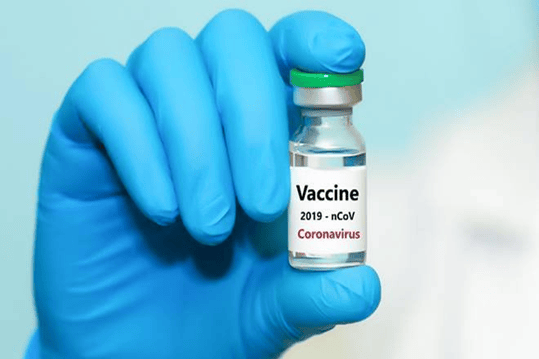
The Covid Vaccines Are A Huge Success

Benefits of mRNA COVID vaccines outweigh rare heart risks, says WHO |  Reuters

Data continues to come in on the Covid vaccines and the numbers show that they are highly effective at preventing serious disease and death. Now, if we can just get half of the country to accept these facts, we can save a lot more lives, reduce hospitalizations, and reduce the strain that this pandemic has put on our health care personnel.

Here’s some stats that recently came out that should be quite enlightening to those opposed to getting vaccinated:

  • During the month of June, every person who died of Covid in the state of Maryland (130 people) was not vaccinated.
  • In Louisiana, 97% of covid cases and deaths have been unvaccinated people.
  • In New York City, over 98% of COVID-19 hospitalizations and deaths in the city during the first 6 months of 2021 were in people who were not fully vaccinated.
  • In Los Angeles County, nearly every new case is due to an unvaccinated person.

The numbers are similar throughout every state in the country. The CDC director, Dr. Rochelle Walensky had a great quote when she held a press briefing last week: “There is a clear message that is coming through. This is becoming a pandemic of the unvaccinated.”

The major reasons for not getting vaccinated seem to be people that are anti-vaxxers, are distrustful of the government, are skeptical of the rapid approval process of the vaccines, and/or don’t believe it is a threat. This isn’t a small number of people, either. Only 56% of our population has received at least one dose. At this stage in the vaccination process, I have to assume most of those that are unvaccinated have access to the vaccines but have chosen not to get the shots.

Hopefully, this new data will sway many of the unvaccinated that are on the fence to get on board and get vaccinated. Either way, they are going to get vaccinated. It’s just a matter of how: by shot or by catching the disease.

Please let me know if you have any questions.

Joe Baker, CFP®

Baker Asset Management, LLC

joebaker@bakerassetmanagement.com

Retire Your Mortgage Before You Retire?

This question pops up quite a bit when discussing retirement with clients.

Many would rather not have major debt hanging over their heads when they no longer have money coming in from work to pay the monthly mortgage nut. Paying off their mortgage before retiring would give them the peace of mind that comes with being debt-free in retirement. But does it make sense for them financially?

Whether it makes sense to pay off your mortgage before you retire really depends on your individual situation.

Here are some factors to consider when making this decision:

Reasons to retire your mortgage:

  • Limited or reduced income stream in retirement: Your monthly mortgage payment may represent a significant chunk of your income. Eliminating this payment can greatly reduce the amount of cash you need to meet your monthly expenses.
  • Savings on interest: Depending on the length of your mortgage term and the size of your debt, you may pay tens of thousands of dollars in interest over the life of the mortgage loan. Paying off your mortgage early frees up that future money for other uses. While you would lose the mortgage interest tax deduction, the after-tax savings on the cost of the debt can still be substantial. Besides, as you get closer to paying off your loan, more of each monthly payment goes to principal and less to interest, so the amount you can deduct in taxes decreases.
  • A predictable return: While there’s a potential upside to keeping the loan and investing your money elsewhere, market fluctuations could curtail the gains on your investments, or even reduce their value.
  • Peace of mind: For folks who feel it’s important to be debt-free, they know that numbers aren’t everything. If you do decide to pay off your mortgage before you retire, you should use money from taxable accounts first or a Roth IRA account to pay off the mortgage. Taxes on this money should be minimal (no tax when withdrawing from a Roth), versus withdrawing from a retirement account, where withdrawals are taxed at ordinary income rates.

Reasons to keep your mortgage:

  • Not-so-full nest egg: If you haven’t contributed the maximum amount to your 401(k), IRA or other retirement accounts, you should put money here first instead of into the equity of your home.
  • Higher-interest debt: You should consider using extra cash to pay off other kinds of debt that carry higher interest rates, especially non-deductible debt, such as credit card balances, before you pay down the mortgage.
  • Lower cash reserves: The money you use to pay off your mortgage could significantly reduce the amount of cash you have available for general expenses, discretionary spending and emergencies. Before retiring your mortgage, make sure you have enough cash to cover your needs, minus income you’ll receive from other sources such as Social Security or pensions. You don’t want to end up being house-rich and cash-poor.
  • Diversifying your investments: One of the best ways to try to increase opportunities for growth at a reasonable level of acceptable risk is to hold a variety of investments in different asset classes. Tying up a large chunk of your net worth in your home equity limits that possibility.  Even if your house appreciates in value, you would have to either sell or refinance it to tap into that equity.
  • A possible move: If you contemplate moving in the next few years, you might as well carry the existing mortgage until then.

The bottom line is that everyone’s situation is different so do the math to make sure that it makes sense financially to pay off your mortgage but also consider the intangibles, such as peace of mind, when making your final decision.

Please let me know if you have any questions.

Joe Baker, CFP®

Baker Asset Management, LLC

joebaker@bakerassetmanagement.com

Monthly Update – July 2021

Fun Facts about July

  • Birthstone: Ruby
  • Flower: Larkspur or Water Lily
  • Zodiac signs: Cancer and Leo
  • July was named after the famous Roman general Julius Caesar, as it was the month he was born in. The month was previously called Quintilis (Latin for fifth).
  • July is, on average, the warmest month of the year in the northern hemisphere. Its southern hemisphere equivalent is January.

Stocks moved higher for a fifth month in a row. The S&P 500 moved up a quiet 2.2% and is now up a very respectable 14.4% for the year. Normalization of our economy and, frankly, our lives, continues at a rapid pace. Talk of the pandemic, while still prevalent, is no longer front-page news, particularly as it relates to the financial headlines. Most news is positive regarding the markets: economies are expanding worldwide, earnings are growing for most corporations, lots of pent-up demand from consumers, and the travel and leisure industry is seeing a huge uptick in activity.

The one worry that has investors on edge is the rapid rise in inflation and how the Federal Reserve will act to tame it. The good news on that front is that raw material prices have fallen considerably (lumber is down over 40% from its peak in May) after their meteoric rise earlier this year. I think the Fed is doing a good job managing investors’ expectations so far. We just have to wait a bit longer to see if this inflation spike is just transitory and not permanent.

Take a look at the Outlook section below to see what events could move the markets over the short term.

Bond prices for bonds with longer maturities rose while short duration bond prices dropped. This was true for both government and corporate bonds. This means that the yield curve is moving to a less steep shape, or flatter. The uncertainty of whether inflation is transitory or not coupled with what the Federal reserve’s response to inflation will be is causing bond prices and interest rates to become more volatile. As I said in last month’s update, I still expect to see bond prices lower at the end of the year versus today due to the economy returning to a more normal state. Because of this, longer maturity bonds are not going to be the best investment right now. I would still try and keep your bond maturities short, no more than 2 years, to lower your portfolio risk.

The 10-year US Treasury note is now yielding 1.44% and the 30-year bond is at 2.06%, both noticeably lower from last month. These rates have taken a pause in going up in the last three months but it’s a good bet that they’ll resume their upward trajectory shortly. However, if the current inflation that we are seeing goes away, these rates may be stuck down here for a while.

Interest rates did absolutely nothing in June, which is what happened in May. The charts for most savings rates and CDs flatlined again. These rates should move higher over the rest of the year, but the savings rates will most likely still be too low to keep up with inflation.

Currently, the average savings account is paying 0.27%, exactly the same as last month. Although safe from market fluctuations, putting all your eggs in a savings account is not the best bet, especially if you need to grow your account value.

The 1-year CD interest rate is now averaging 0.51%, the same as last month. The 5-year CD rate is the same as last month as well, currently at 0.69%. Fyi, these CD rates have remained nearly exactly the same since February.

Mortgage rates reversed course and shifted higher in June. Currently, the 30-year rate sits at 3.33%, compared to 3.09% last month. Rates continue to remain incredibly low, which is great news for home buyers, real estate investors and refinancers. Demand remains very strong for both new and existing homes, despite prices breaking records in most locations. Also, with lumber prices dropping about 50% since May, new home sales should pick up as prices come down.

Oil prices marched higher for a third straight month. A barrel of oil cost 11% more than a month ago, now at $73.75. Besides the normal price rise due to the seasonal travel summer period, prices are also going up due to the added demand of the economy really ramping up as the pandemic subsides. On top of that, OPEC is making everyone guess if they are going to open the spigots more when they meet today.

Demand should continue to drive prices higher as the travel floodgates reopen. This will keep a floor under oil and gas prices even if we see increased supply by either OPEC or frackers in the U.S.

Gasoline prices crept higher yet again this past month. There is huge demand as pretty much everybody is traveling to vacation destinations. Also, there is a driver shortage to haul the gasoline to the gas stations, so that is keeping prices elevated as well. Prices at the pump are averaging about $3.11 per gallon, about 6 cents higher than a month ago. Mississippi has the cheapest gas right now, at $2.75. California has the most expensive at $4.28 per gallon. FYI, a year ago, we were paying $2.18.

Check out the prices at the pump in your area: Gas Buddy.

Outlook

Events on the horizon that could move the markets in the near term:

  • Infrastructure Bill: It looks like the White House and a bipartisan group of senators put together an infrastructure bill they can agree on. Now, they have to sell it to everybody else, which could be tough. The good news is that infrastructure improvement is needed across the country and it does get bipartisan support, so there’s a good chance that something will get passed this year. The stock market already knows this and has priced this scenario in to some extent. Regardless, we should see a leg up in the markets if and when this bill gets signed into law just for the fact that it will show cooperation is still possible in DC.
  • Coronavirus: Vaccinations have really slowed down. It seems that everybody that wanted one, got one. Those that haven’t been vaccinated have chosen not to for various reasons. Having said that, the U.S. population that has received at least one dose is only at 54%. That’s not going to cut it because the unvaccinated population will allow covid to continue to mutate and spread. Currently, over 90% of covid hospitalizations are patients who haven’t been fully vaccinated. The good news is that treatments have improved so the survival rate has improved as well. This means that the unvaccinated that survive are getting vaccinated anyway, albeit the hard way. So, we should reach herd immunity at some point this year (fingers crossed).
  • Fed & Inflation: The Fed thinks the big rise in prices for pretty much everything is temporary and will return to normal once the supply chains catch up with the return-to-normal demand. We’re already seeing some raw material prices dropping but it’s not because the supply chains are fixed. I think it’s due to stuff costing too much. As they say, the best cure for high prices is, well, high prices. So now, we are seeing consumers slowing down on buying autos, homes, and other large ticket items. This will allow suppliers to catch up with demand a bit quicker and help prices level out even more.

Here’s a little public service announcement for Florida residents:

2021 Sales Tax Holiday on Specific Admissions and Outdoor Activity Supplies

From July 1, 2021 through July 7, 2021, admissions to music events, sporting events, cultural events, specified performances, movies, museums, state parks, and fitness facilities are exempt from sales tax. Also exempt during this period are qualifying boat and water activity supplies, camping supplies, fishing supplies, general outdoor supplies, and sports equipment. For more information and a list of qualifying items, visit TIP #21A01-05.

Joe Baker, CFP®

Baker Asset Management, LLC

joebaker@bakerassetmanagement.com

Time To Check Your Beneficiary Line Up

Talking about your beneficiaries means talking about death, specifically your death. Planning for your death may sound like worst thing ever but it is really an incredibly thoughtful act on your part and will help to minimize stress for your family and loved ones when you ultimately check out.

Beneficiaries are typically assigned to retirement accounts (401k, IRAs, etc.), life insurance and annuity policies, and transfer-on-death (TOD) accounts. If you don’t name any beneficiaries, these accounts will be passed on to your estate where they will go through probate based on your state laws. Probate is a legal proceeding that determines who will get your stuff. It is a lengthy, complex process that can be pretty expensive. If you have a will, probate will use that to determine how your assets get divvied up. If you don’t have a will, the state will do the best they can to determine who gets what. Suffice it to say, naming beneficiaries is the way to go. Getting this done before you pass away will make things simpler, quicker, and cheaper for your heirs during a very stressful time.

You should name both primary and contingent beneficiaries. The primary beneficiary is first in line to receive your assets. If the primary passes away before you, the contingent beneficiary will receive those assets, depending on your selection of per capita or per stirpes (see explanation below). You can have as many primary and contingent beneficiaries as you want.

Now, here is the most overlooked section of the beneficiary page: Choosing per stirpes or per capita.

Per stirpes (derived from the Latin word for roots) means that if a beneficiary dies before you die, the deceased beneficiary’s children inherit your money.

Per capita (Latin for each head) means that if a beneficiary dies before you die, their share of the inheritance goes back to the estate and gets divided among the other living beneficiaries.

Choosing which one of these for your beneficiaries is very important and should be considered carefully. In the most basic instance, you should elect per stirpes on your beneficiary designations to ensure that your heirs’ heirs receive their share.

Finally, remember to review your beneficiaries at least annually and certainly after any major life events, such as death, divorce, marriage, adoption, etc.

Please let me know if you have any questions.

Joe Baker, CFP®

Baker Asset Management, LLC

joebaker@bakerassetmanagement.com
Covid Vaccine Update

We are close to the mid-year point of 2021 and the United States has made great progress since late last year in getting our citizens vaccinated for Covid-19. Here are some stats for the U.S. population:

  • 43% are fully vaccinated.
  • 52% have received at least 1 dose.
  • Vermont has the most people vaccinated per capita.
  • Mississippi has the lowest percentage vaccinated per capita.

To follow the vaccine’s progress, click here: https://bing.com/covid/local/unitedstates?vert=vaccineTracker

It looks like the goal of getting 70% of the population with at least one dose by July is not going to be met. The main reason for not meeting this goal is due to about 30% of us are not willing to get vaccinated. This resistance, coupled with removal of covid restrictions across the country, has slowed the drop in cases and deaths. We are even starting to see a rise in infection rates in 8 states.

The good news is that if we can get 60% of our population at 1 dose by July, we should be able to limit the spread and subsequent damage of the disease, especially the more contagious and harmful variant strains. This is because most people that don’t get vaccinated and catch the disease will survive and carry the antibodies, just like those that are vaccinated. This means that we could reach 70%+ of the population that have the covid antibodies, regardless of how they were acquired. That’s my glass-half-full way of looking at our vaccination progress so far!

Please let me know if you have any questions.

Joe Baker, CFP®

Baker Asset Management, LLC

joebaker@bakerassetmanagement.com

Here’s How Much Money You’ll Need To Retire

Ever wondered how much money you need to finally say, “That’s it, I’m retiring!”?

I’m sure this question has crossed pretty much everybody’s mind at one time or another.  As you probably already know, the answer is not a simple one.  There are so many variables that can affect your retirement number: taxes, health care, return on investment, where you live, and how long you live, just to name a few.

Still, with all of these unknowns, you should set a goal to shoot for.  The table below is an easy way to guesstimate how much money that you’ll need in retirement.  Just select your expected monthly income need from the first column and then go across that row to see how much total savings will be needed for 20 years (middle column) or 30 years (third column) of retirement.  For example, if I retire at age 65, expect to live another 30 years, and will need $5,000 a month, I’ll need to have about $1.06 million at age 65 to make it happen.

Don’t forget to subtract any pensions and/or social security from your monthly income need before using the table.

Give it a try and let me know if you have any questions.

Amount Needed in Savings for Retirement

Monthly income needSavings Needed for 20 YearsSavings Needed for 30 Years
$1,000$166,696$212,150
$2,000$333,392$424,300
$3,000$500,087$636,450
$4,000$666,783$848,601
$5,000$833,479$1,060,751
$6,000$1,000,175$1,272,901
$7,000$1,166,871$1,485,051
$8,000$1,333,567$1,697,201
$9,000$1,500,262$1,909,351
$10,000$1,666,958$2,121,501

The above sums assume your portfolio will earn a 6 percent annualized return during the course of your retirement and endure 2 percent annual inflation erosion.

Joe Baker, CFP®

Baker Asset Management, LLC

joebaker@bakerassetmanagement.com

Monthly Update – June 2021

Fun Facts about June

  • Birthstone: Emerald
  • Flower: Rose and the Honeysuckle
  • Zodiac signs: Gemini and Cancer
  • June is derived from Juno, the goddess of marriage.
  • June is the month with the longest daylight hours of the year in the Northern Hemisphere, and conversely, June has the shortest daylight hours of the year in the Southern Hemisphere.

Stocks moved higher for a fourth month in a row. It wasn’t much but it still counts. The S&P 500 eked out a gain of just 0.65% in May and is now up 12.3% for the year. Signs of life getting back to normal are everywhere here in the U.S. Watching the NBA and NHL playoffs with packed stadiums is so much better than not hearing any fan noise. Walking into stores and restaurants without a mask is one less thing to remember before getting there and it’s great to see employees, servers, and bartenders without masks.

Supply is still trying to catch up with demand in most sectors of the economy. This has caused prices for raw materials to skyrocket. Fortunately, prices have come down just a bit from their peaks, particularly for lumber and copper but they are still historically high.

On the demand side, consumers are still willing to pay the higher prices. This is helping retail companies get back to pre-pandemic numbers. People want to spend right now, especially on travel and entertainment and it’s showing up in high occupancy rates for hotels and full flights at the airports.

Take a look at the Outlook section below to see what events could move the markets over the short term.

Bond prices stayed relatively flat for both government and corporate bonds. The trend for prices is still down but bond investors may get a little relief as inflation worries ease up a little. I still expect to see bond prices lower at the end of the year versus today due to the economy starting to return to normal. Because of this, longer maturity bonds are not going to be the best investment right now. I would still try and keep your bond maturities short, no more than 2 years, to lower your portfolio risk.

The 10-year US Treasury note is now yielding 1.58% and the 30-year bond is at 2.26%, both slightly lower from last month. These rates have taken a pause in going up in the last two months but it’s a good bet that they’ll resume their upward trajectory shortly.

Interest rates barely moved in May. The charts for most savings rates and CDs look like a flat line on an EKG. These rates should move higher over the rest of the year, but the savings rates will most likely still be too low to keep up with inflation.

Currently, the average savings account is paying 0.27%, exactly the same as last month. Although safe from market fluctuations, putting all your eggs in a savings account is not the best bet, especially if you need to grow your account value.

The 1-year CD interest rate is now averaging 0.51%, about the same as last month. The 5-year CD rate is the same as last month as well, currently at 0.69%. Fyi, these CD rates have remained nearly exactly the same since February.

Mortgage rates moved lower for the second month in a row, albeit not by much. Currently, the 30-year rate sits at 3.09%, just a tad lower than it was last month (3.11%). Rates continue to remain incredibly low, which is great news for home buyers, real estate investors and refinancers. Demand remains very strong for both new and existing homes, despite prices breaking records in most locations. You might read that some areas of the country have seen home sales drop, but that is most likely due to no homes for sale (low or no inventory).

Oil prices jumped another 4.3% in May after a big rise in April. The price for a barrel of oil in the U.S. closed May at $66.32. The combination of upbeat economic data and good earnings from the oil companies helped spur the move up. Also, we are moving into the driving summer season, which historically has been positive for oil and gas prices.

Demand should continue to drive prices higher as the travel floodgates reopen. This will keep a floor under oil and gas prices even if we see increased supply by either OPEC or frackers in the U.S.

Gasoline prices jumped higher once again in May. There is a huge increase in demand as the summer travel season opens up coupled with the pandemic going away. The hack and subsequent shutdown of the Colonial gas pipeline helped that jump in prices as well. Prices at the pump are averaging about $3.05 per gallon, about 15 cents higher than a month ago. Louisiana has the cheapest gas right now, at $2.70. California has steadied above the $4 mark with an average price of $4.20 per gallon. FYI, a year ago, we were paying $1.98.

Check out the prices at the pump in your area: Gas Buddy.

Outlook

Events on the horizon that could move the markets in the near term:

  • Infrastructure Bill: There seems to be little progress on reaching a compromise between the democrats and republicans regarding the huge infrastructure bill the white house is pushing. It would be ideal to put something together that both sides can agree on (I can dream). The market has already priced in some of the bill’s proposals (green energy, electric vehicles, etc.). These sectors could take a turn south if these sections of the bill get thrown on the cutting room floor.
  • Coronavirus: We have made remarkable progress in taking control of this disease, even as we hit a grim milestone of over 600,000 deaths from Covid. Over 50% of the country has received at least one dose, up from 43% one month ago. Also, there are recent studies out that show immunity from the disease may last longer in our bodies than expected. This is great news, especially if we can get another 25% of our population vaccinated while the already-vaccinated are still immune. Overall, this is a good news story for stocks now, despite the average death toll of about 590 per day here in the U.S.

Joe Baker, CFP®

Baker Asset Management, LLC

joebaker@bakerassetmanagement.com